What CRM Means for Sales Teams (And Why It Matters)
Understanding the crm meaning for sales starts with a simple idea: it’s the system that helps your team manage every relationship with every potential and existing customer — in one place.
Quick Answer:
| Term | Definition |
|---|---|
| CRM | Customer Relationship Management |
| CRM for Sales | Software and strategy that helps sales teams track leads, manage pipelines, store customer data, and close more deals |
| Core Purpose | Replace scattered spreadsheets and missed follow-ups with a single, organized system for growing revenue |
| Key Benefit | A 360-degree view of every customer interaction — from first contact to closed deal |
Most service businesses hit a wall at some point. Leads are coming in, but follow-up is inconsistent. Customer data lives in three different places. Your team is spending time on admin work instead of selling. Sound familiar?
That’s exactly the problem CRM was built to solve.
A sales CRM gives your team a centralized hub for every customer touchpoint — calls, emails, meetings, deals, and notes — so nothing falls through the cracks. And the numbers back this up: companies using CRM software report an average ROI of $30.48 for every dollar spent, up from $8.71 just a decade ago. Yet remarkably, only 27% of leads are ever contacted — a gap that a well-implemented CRM directly closes.
Whether you run a two-person consultancy or a multi-location service business, CRM isn’t just a sales tool. It’s the operational backbone that connects your marketing, your team, and your customers into a coherent growth system.
I’m Kelly Rossi, founder of Marketing Magnitude and a digital marketing strategist with over 20 years of experience helping service businesses build connected systems that drive measurable growth — including implementing and integrating CRM solutions that align the crm meaning for sales with real business outcomes. In this guide, I’ll walk you through everything you need to know to make CRM work for your sales team.
Defining the CRM Meaning for Sales Teams
To truly grasp the crm meaning for sales, we have to look past the technical jargon and focus on what it does for your daily operations. At its core, Customer Relationship Management represents both a business strategy and the software used to execute it. According to the formal CUSTOMER RELATIONSHIP MANAGEMENT definition | Cambridge English Dictionary, it refers to the strategies and technologies companies use to manage and analyze customer interactions throughout the customer lifecycle.
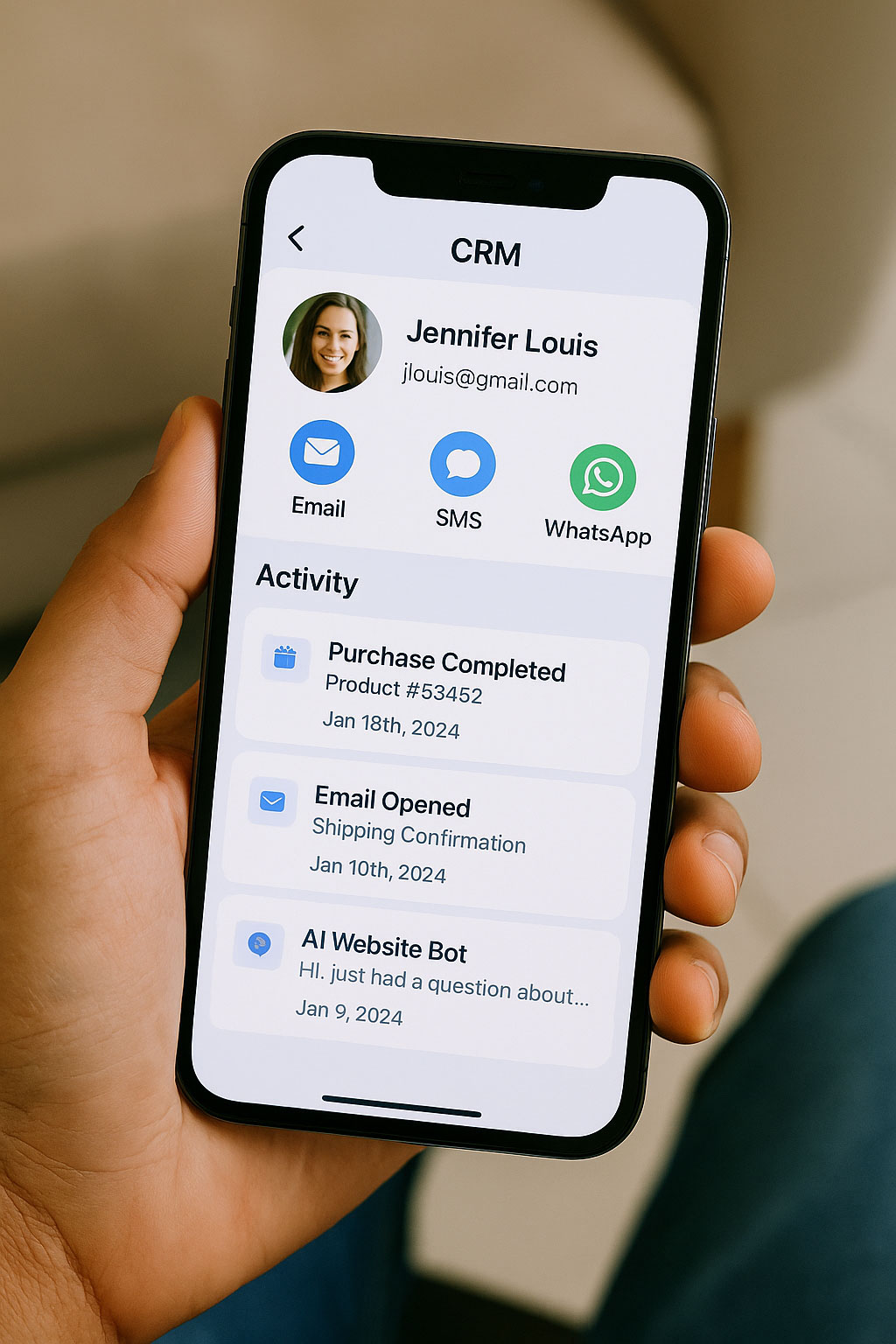
For a sales team, this translates directly to managing the sales pipeline and organizing contact management. Instead of relying on memory, sticky notes, or separate inbox folders, a sales CRM acts as a single source of truth. It tracks every communication—whether it is an initial inquiry form from your website, a recorded phone call, or a contract proposal.
This centralization builds what industry experts call relational intelligence. Relational intelligence is the awareness of different relationship types customers can have with a firm. When your sales reps have access to a client’s complete history, they can tailor their conversations based on real context. They know what the customer needs, what their past pain points were, and how they prefer to communicate. This shifts your sales process from transactional pitches to consultative, trust-based relationships.
How a Sales CRM Works Across the Customer Lifecycle
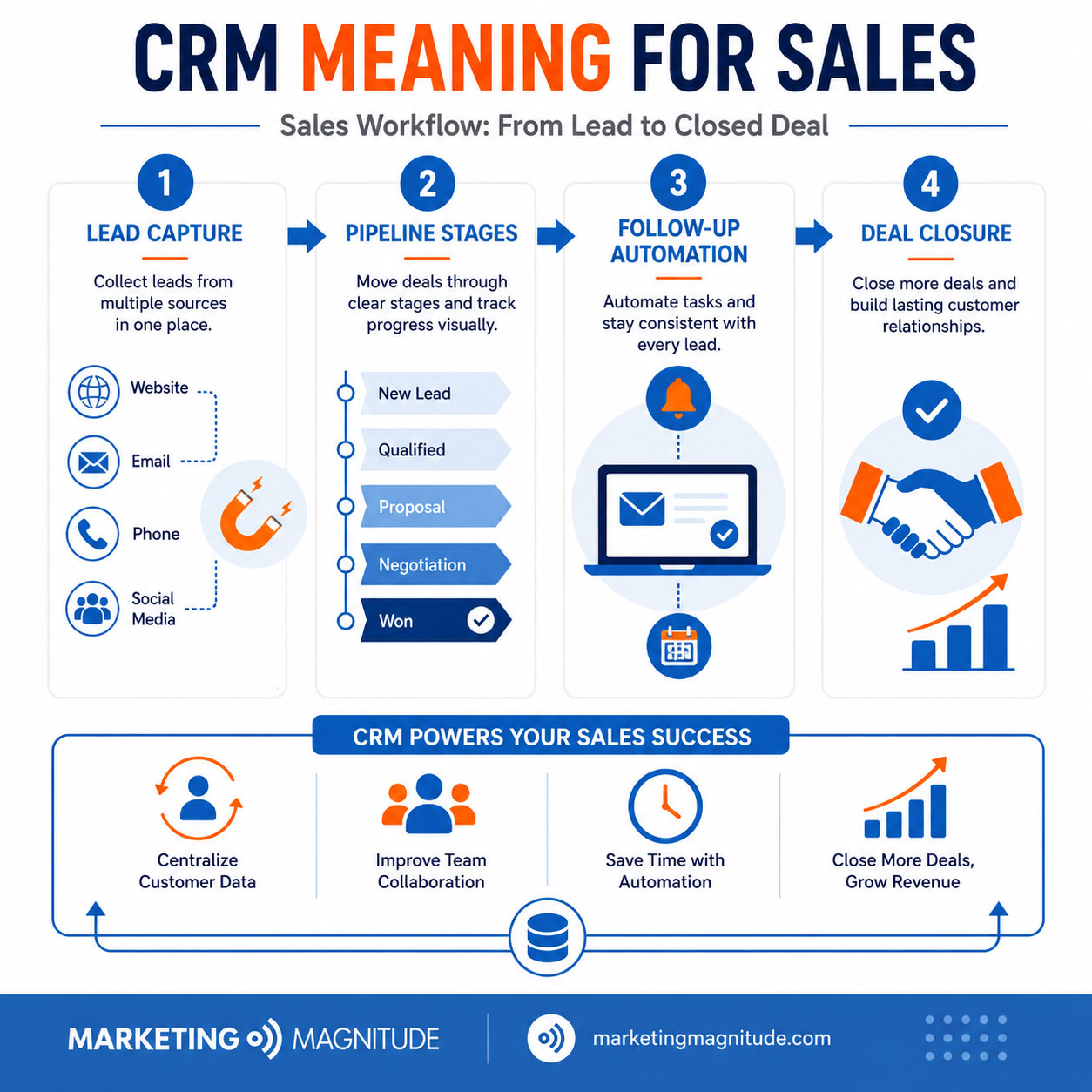
A sales CRM is not a static database; it is an active engine that drives prospects through your sales cycle. Let us break down how this works across the key stages of the customer journey:
- Prospecting & Lead Tracking: When a potential customer first interacts with your brand—perhaps by requesting an estimate or downloading a guide—the CRM automatically captures their contact details. This ensures no lead is lost in an inbox.
- Lead Management & Scoring: Not all leads are created equal. The CRM helps categorize and score leads based on their engagement levels. Your sales reps can instantly see which prospects are highly interested and require immediate, personalized outreach.
- Contact Management: As the sales cycle progresses, the CRM logs every email, phone call, and meeting. If a sales rep is out of the office or a new team member takes over, they can read the historical notes and pick up right where the conversation left off.
- Presenting & Pitching: During the active pitch phase, sales reps can use CRM data to customize their presentations. Knowing which website pages a prospect visited allows the rep to address specific interests directly.
- Deal Closure: When it is time to close, the CRM streamlines contract delivery, digital signatures, and onboarding handoffs. This ensures a seamless transition from a prospect to a paying customer.
- Reporting & Post-Sale Analytics: Once a deal is won, the system analyzes how long the cycle took, which touchpoints were most effective, and where bottlenecks occurred. This data-driven feedback loop helps refine your entire sales strategy.
The Evolution of CRM Meaning for Sales in the Cloud and Mobile Era
The concept of tracking customer details is not new. Decades ago, businesses relied on manual filing systems, index cards, or early desktop databases. You can read about this fascinating progression on the Customer relationship management – Wikipedia page, which details how CRM evolved from basic contact software into the massive cloud-based ecosystems we use today.
The shift to cloud computing completely revolutionized how sales teams operate. Historically, on-premise software required physical servers, manual updates, and heavy IT maintenance. Today, modern cloud CRMs are delivered as Software as a Service (SaaS), meaning your data is securely stored online and updated in real time.
This cloud evolution paved the way for mobile CRM, which has become indispensable for modern sales operations. With a significant portion of global website traffic originating from mobile devices, sales reps expect to access their tools on the go. Whether a field sales representative is visiting a home services client in Las Vegas or a professional consultant is traveling between meetings in Austin, TX, mobile CRM ensures they have real-time access to customer files, pipeline updates, and scheduling tools right from their smartphones or tablets.
In fact, the demand for professionals who can manage these complex, cloud-based architectures is growing rapidly. For instance, businesses looking to optimize their setups frequently seek specialized talent, as reflected in the growing market for roles like the CRM Business Analyst Salary in Austin, TX (Updated for 2026).
Core Capabilities, Types, and Business Benefits of CRM
The primary driver behind adopting a CRM is the massive boost in operational efficiency and customer satisfaction. By replacing fragmented, manual processes with sales force automation, your team can eliminate administrative busywork and spend more time doing what they do best: building relationships and closing deals.
Data centralization is the foundation of these benefits. When marketing, sales, and customer service teams all share the same database, team collaboration improves dramatically. No one has to ask, “Did anyone follow up with this client?” or “What did we quote them last week?” The answers are always available at a glance.
Core Features for Managing Leads and Pipelines
An effective sales CRM is packed with features designed to simplify complex workflows.
When evaluating software, look for these essential capabilities:
- Lead Scoring: Automatically ranks prospects based on their likelihood to convert, helping reps prioritize their daily outreach.
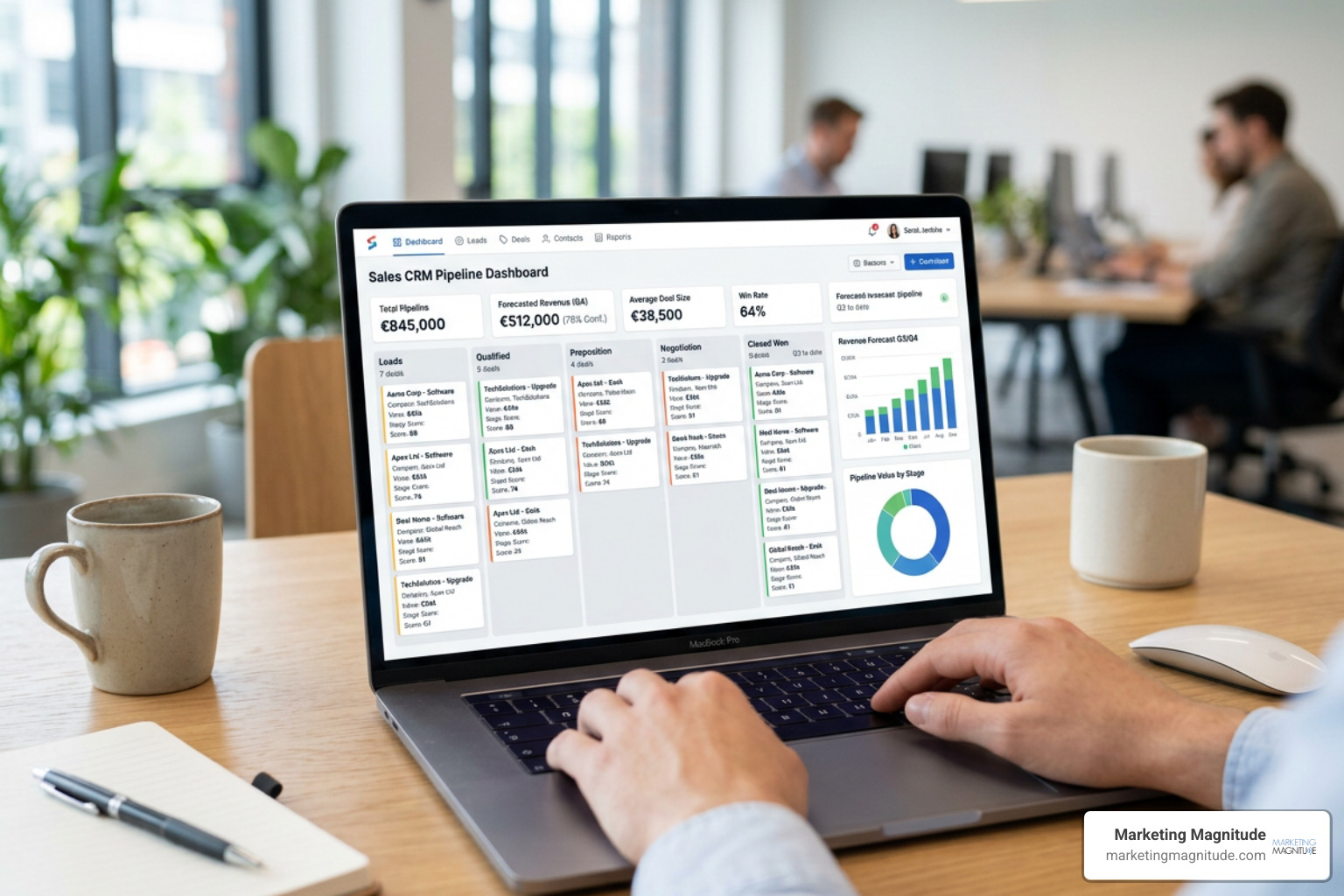
- Pipeline Visibility: Provides a visual, drag-and-drop dashboard of your sales funnel, allowing managers to see exactly where deals are stalling.
- Sales Forecasting: Uses historical data and pipeline stages to project future revenue, helping you make smarter business decisions.
- Task Automation: Automatically schedules follow-up tasks, sends appointment reminders, and updates deal stages based on customer actions.
By implementing these features, you can build a highly structured, repeatable sales process. If you want to see how these automated systems work in tandem with your marketing efforts, explore our dedicated guide on CRM Software & Marketing Automation.
Operational, Analytical, and Collaborative CRM Tools
Not all CRM systems are identical. Depending on your business model and organizational goals, you may lean toward a specific type of CRM. As outlined in comprehensive resources like the What is customer relationship management (CRM)? – ServiceNow guide and the What Is CRM (Customer Relationship Management)? – Salesforce overview, CRM systems generally fall into three primary categories:
| CRM Type | Core Focus | Primary Benefits for Sales |
|---|---|---|
| Operational CRM | Automates customer-facing workflows (sales, marketing, and service automation). | Streamlines lead intake, automates follow-up emails, and schedules tasks. |
| Analytical CRM | Analyzes customer data, behaviors, and historical trends. | Identifies buying patterns, optimizes pricing, and improves forecasting accuracy. |
| Collaborative CRM | Shares customer insights across different departments (billing, support, sales). | Ensures a seamless transition from the sales cycle to long-term customer support. |
Most modern platforms combine elements of all three types, but understanding these distinctions helps you prioritize the features that align with your immediate business needs.
Improving Customer Retention and Lifetime Value
While acquiring new leads is exciting, the real path to sustainable business growth lies in retaining the customers you already have. The statistics are clear: the probability of selling to an existing customer is 60% to 70%, compared to just a 5% to 20% chance of selling to a new prospect. Furthermore, a simple 5% increase in customer retention can boost lifetime customer profits by 50% on average across multiple industries.
A CRM helps you maximize this retention by keeping you connected with your clients long after the initial transaction. By tracking purchase histories and communication preferences, you can send personalized check-ins, exclusive loyalty offers, or timely reminders for service renewals.
This level of structured, relationship-first communication is particularly vital for service-based businesses where trust and long-term engagement are paramount. For example, local home service professionals can utilize a customized Contractor Marketing CRM Platform to manage job histories and follow-ups, while wellness professionals can maintain strict client care standards using a dedicated Therapist Marketing CRM Platform.
To learn more about how unified customer profiles improve long-term relationships, you can read the resource on What Is CRM (Customer Relationship Management)? | Salesforce EU.
Leveraging AI-Powered CRM Meaning for Sales Optimization
We have entered a new era of business technology: the age of the “Agentic Enterprise.” Modern CRMs are no longer just passive storage systems; they are active, intelligent assistants powered by artificial intelligence.
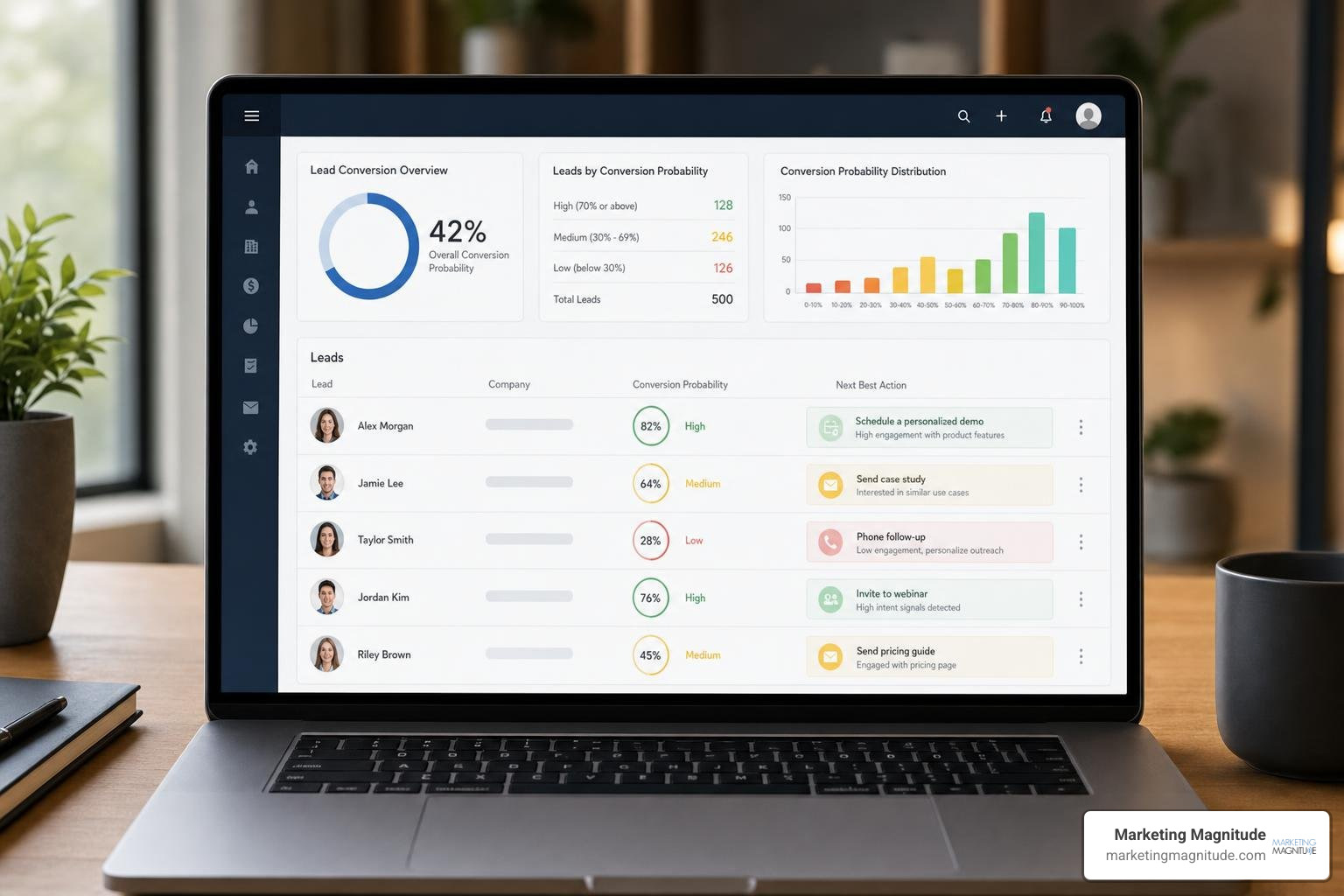
AI-powered CRMs leverage predictive analytics to analyze massive volumes of data, identifying patterns that human eyes might miss. For example, the AI can look at your historical wins and point out which current prospects are most likely to convert, or suggest the absolute best day and time to send a follow-up email.
Beyond analytics, modern systems utilize agentic AI to deploy intelligent AI agents. These agents can autonomously draft personalized outreach emails, log call notes, handle routine customer support inquiries 24/7, and instantly qualify incoming leads. This level of automation ensures your sales pipeline remains active around the clock, allowing your human sales reps to focus entirely on high-value, relationship-building conversations.
Choosing, Integrating, and Implementing CRM Software
Selecting and rolling out a new CRM is a significant milestone for any business. To ensure a return on your investment, you must approach the process with a clear strategy, a realistic budget, and a strong focus on team adoption.
How to Choose and Budget for the Right CRM Software
With so many software options on the market, it is easy to get overwhelmed. When evaluating vendors, always align your choices with your specific business goals and operational workflows.
Consider the following factors:
- Software Scalability: Can the CRM grow with your business? Ensure the platform can easily accommodate more users, larger databases, and advanced features as your revenue increases.
- Ease of Use: If the software is overly complex, your sales team will avoid using it. Look for an intuitive, clean interface that minimizes manual data entry.
- Integration Capabilities: Your CRM must play nicely with your existing tools, including your website, email provider, and accounting software.
- Budget & Licensing: Understand the licensing models. Most platforms charge on a subscription basis per user, but you must also factor in potential setup, migration, and training costs.
To dive deeper into selecting the right platform architecture, check out the comprehensive resource, What Is CRM Software? A Comprehensive Guide | Salesforce.
Overcoming Implementation Challenges and Integrating Business Tools
Even the most advanced CRM will fail if your team refuses to use it. In fact, industry research shows that less than 40% of companies achieve over 90% end-user adoption. To avoid this common pitfall, follow these implementation best practices:
- Conduct a Thorough Needs Assessment: Gather input from your sales reps and managers before buying software. Understand their daily pain points and what features they actually need.
- Plan for Data Migration: Clean up your existing customer data before importing it into the new system. Delete duplicates, correct formatting errors, and archive outdated records.
- Designate a CRM Champion: Appoint an internal team member to manage the rollout, troubleshoot minor issues, and encourage daily usage.
- Provide Hands-On Training: Do not just hand your team a login. Provide structured training sessions and build simple, clear reference guides.
- Test Your Integrations: Ensure data flows smoothly between your website, lead capture forms, and the CRM before going live.
If you are wondering how a new system will fit into your existing digital footprint, read our FAQ on Can You Work With My Current Website or CRM?. We specialize in building seamless connections between your online presence and your core operational tools.
Frequently Asked Questions about CRM in Sales
What is the primary purpose of a sales CRM?
The primary purpose of a sales CRM is to centralize contact organization, streamline pipeline tracking, and drive revenue growth. It eliminates fragmented data systems, ensuring that every lead is tracked, every communication is logged, and your sales team can focus on closing deals rather than managing spreadsheets. If you want to know more about our custom implementation capabilities, read our answer to Do You Provide CRM Systems?.
How does CRM integration improve marketing and sales alignment?
A CRM acts as the bridge between marketing and sales. When integrated with your marketing platforms, it automatically passes lead attribution data (such as which ad campaign or search term generated the lead) directly to the sales team. This feedback loop allows sales reps to understand a prospect’s context instantly, while allowing marketers to see which campaigns are driving actual revenue, not just empty clicks.
What are the typical costs associated with CRM software?
CRM costs vary depending on the size of your team and the complexity of your workflows. Most platforms utilize a subscription pricing model based on user licenses, billed monthly or annually. In addition to software fees, businesses should budget for implementation costs, which may include data migration, custom workflow configuration, third-party tool integrations, and team training.
Conclusion
Understanding the crm meaning for sales is the first step toward transforming how your business operates. A CRM is far more than a digital address book; it is the central nervous system of a successful, modern sales operation. By unifying your customer data, automating repetitive tasks, and leveraging intelligent insights, a CRM empowers your team to work smarter, build deeper client relationships, and scale your revenue predictably.
At Marketing Magnitude, we believe that sustainable business growth does not happen through isolated marketing campaigns. True success occurs when your marketing, customer communication, and operational systems work together as one connected ecosystem. Whether you are operating in Las Vegas, Austin, or anywhere across the United States, we are here to help you build the complete growth infrastructure your business deserves.
Ready to eliminate fragmented systems and start growing with clarity? Explore our specialized solutions for CRM Software & Marketing Automation and let us build a connected system designed for your long-term success.
Get Started Now
Fill out this form to start your journey to next-level marketing solutions for your business.