How Does AI Booking and Communication Capture More High-Intent Pest Control Leads?
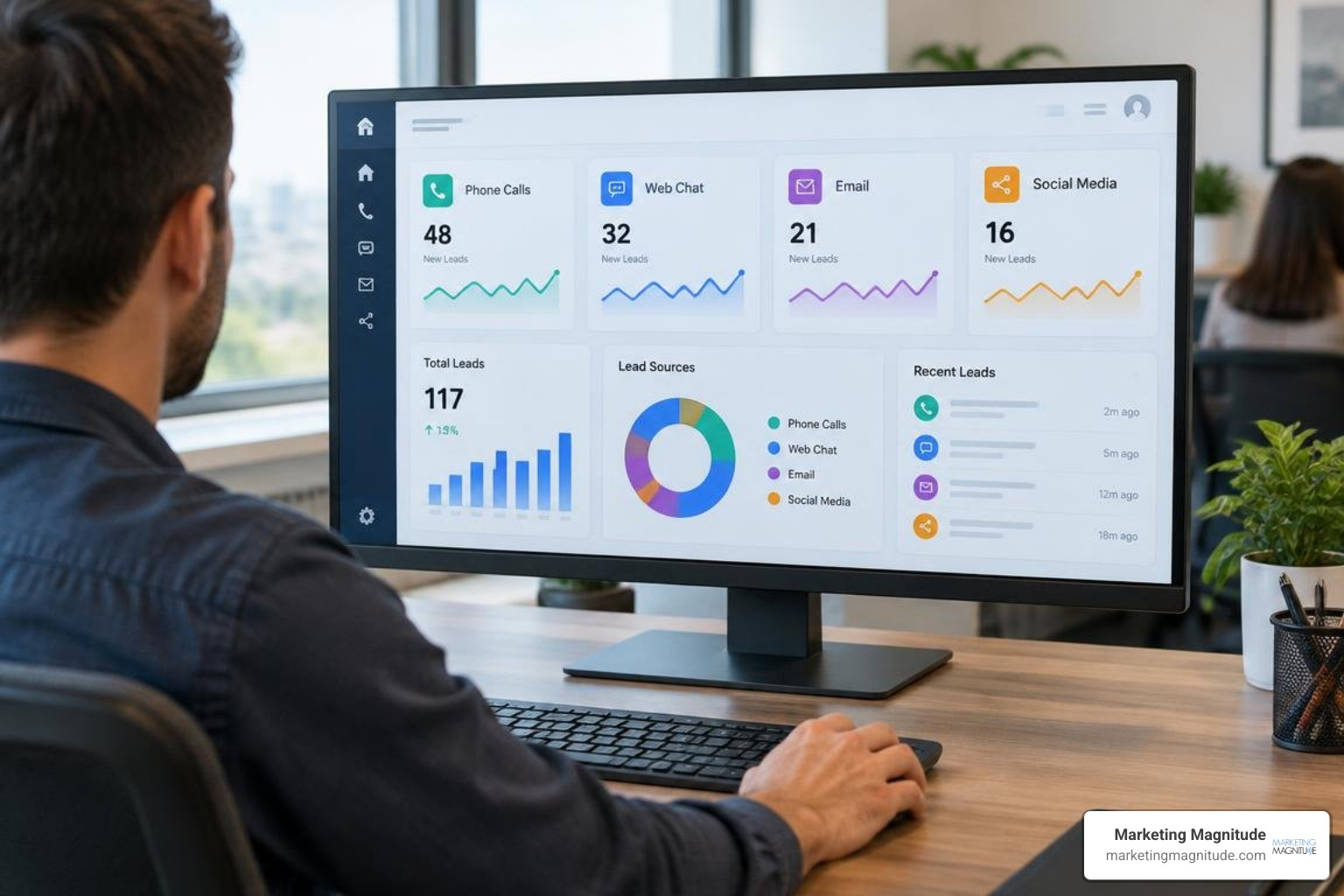
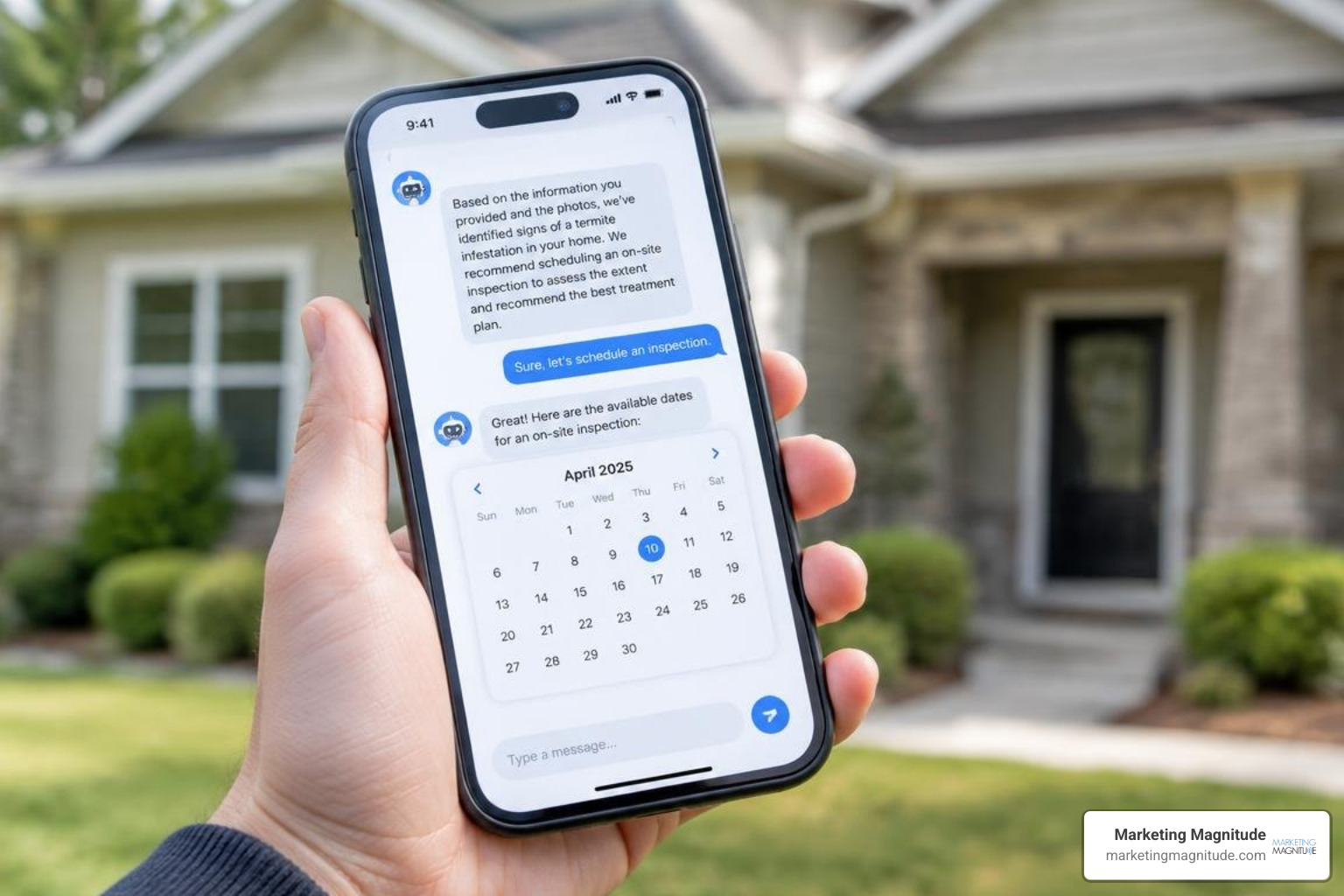
Pest control companies use AI, CRM, and automated marketing to capture high-intent leads and grow recurring revenue by answering every inquiry instantly, qualifying pest problems, booking inspections directly onto technician calendars, and converting one-time callers into recurring maintenance plans. Deploying AI for pest control transforms a leaky intake funnel into a closed capture system. In field services, operational margins are won or lost at the point of first contact. Industry data reveals that roughly one in three inbound calls to home service companies goes completely unanswered. When a homeowner discovers a swarm of termites near their foundation or rodents in their attic, they rarely leave a voicemail and wait. They hang up and call the next exterminator listed on Google. Instead of relying entirely on office staff juggling dispatch boards and ringing phones, intelligent systems evaluate incoming inquiries instantly. They process natural language descriptions, collect critical property details, triage severity, and place bookings directly onto technician calendars based on real-time route availability.
This capability fundamentally changes operational economics. AI systems can automatically quote standard treatments (such as initial perimeter defense sprays for general pests) based on structured business rules, while flagging complex structural infestations or large commercial facilities for senior estimators.
Conversational Pest Identification and Triage
Modern AI conversational interfaces use natural language processing to guide distressed property owners through an intuitive intake questionnaire. When a customer states, “I have bugs in my kitchen,” the system prompts them with diagnostic questions:
- Are the pests concentrated near moisture, wood, or food prep areas?
- Are you seeing flying insects, small brown insects near baseboards, or droppings in pantry cabinets?
- Do you have pets, small children, or specific chemical sensitivities we need to accommodate?
This triage process immediately categorizes the threat into clear pest profiles—such as subterranean termites, German cockroaches, carpenter ants, bed bugs, or roof rats. By capturing property square footage, foundation type (slab vs. raised crawl space), and urgency level, the platform assigns proper appointment durations and alerts field staff before they arrive on-site.
24/7 Intelligent Phone Answering and Website Booking
Pest emergencies do not adhere to standard business hours. Homeowners frequently discover infestations late in the evening or over the weekend. Implementing dedicated AI phone answering and chatbot services ensures your business never misses an emergency call, whether it rings at 2:00 PM or 2:00 AM.
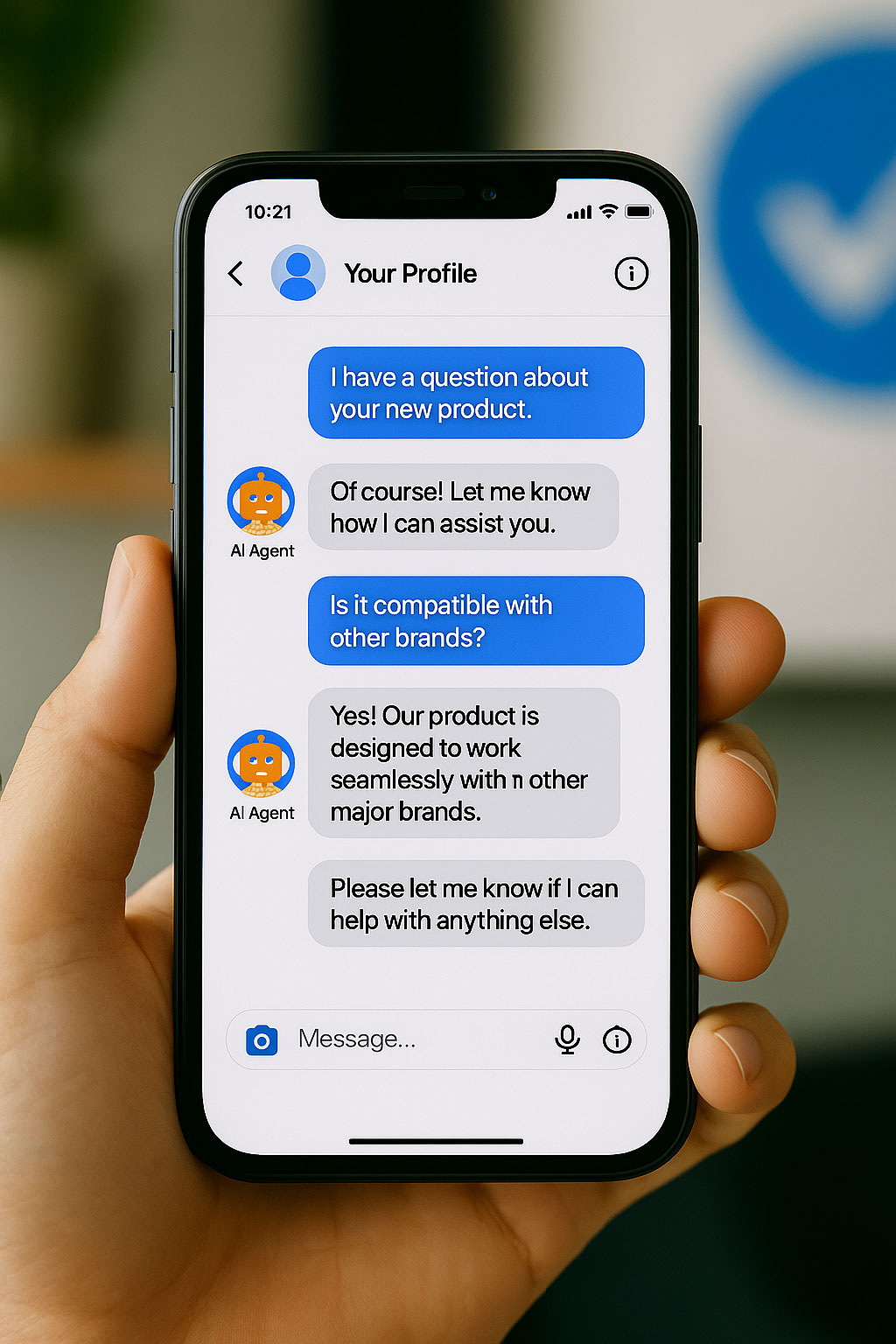
These tools engage callers using human-like conversational voice agents, answer scheduling questions, verify service areas, and cross-reference technician route capacity. When an inspection slot is booked, the system sends an immediate SMS confirmation containing the appointment window, technician details, and pre-visit instructions. This immediate responsiveness stops potential clients from continuing their search across competing local listings.
Streamlining Recurring Service Setup and Inquiries
Beyond capturing initial emergencies, conversational AI streamlines ongoing customer interactions:
- Handling Routine Technical Inquiries: Answers common questions regarding treatment drying times, pet safety intervals, weather-related spray adjustments, and service guarantees.
- Converting One-Time Jobs to Subscriptions: Explains how recurring maintenance programs prevent future pest cycles and offers immediate enrollment discounts.
- Automated Account Management: Enables homeowners to reschedule routine visits, adjust notification preferences, or update stored payment methods via self-service SMS prompts without burdening office dispatchers.
What Custom CRM Configurations Are Essential for Maximizing Customer Lifetime Value?
A customer relationship management platform should never serve as a glorified digital Rolodex. To build predictable recurring revenue, exterminators must treat their CRM as the operational engine that directs field logistics, dictates marketing cadences, and protects service margins. Leveraging a contractor marketing CRM platform configured specifically for pest management ensures no customer or renewal opportunity slips through the cracks.
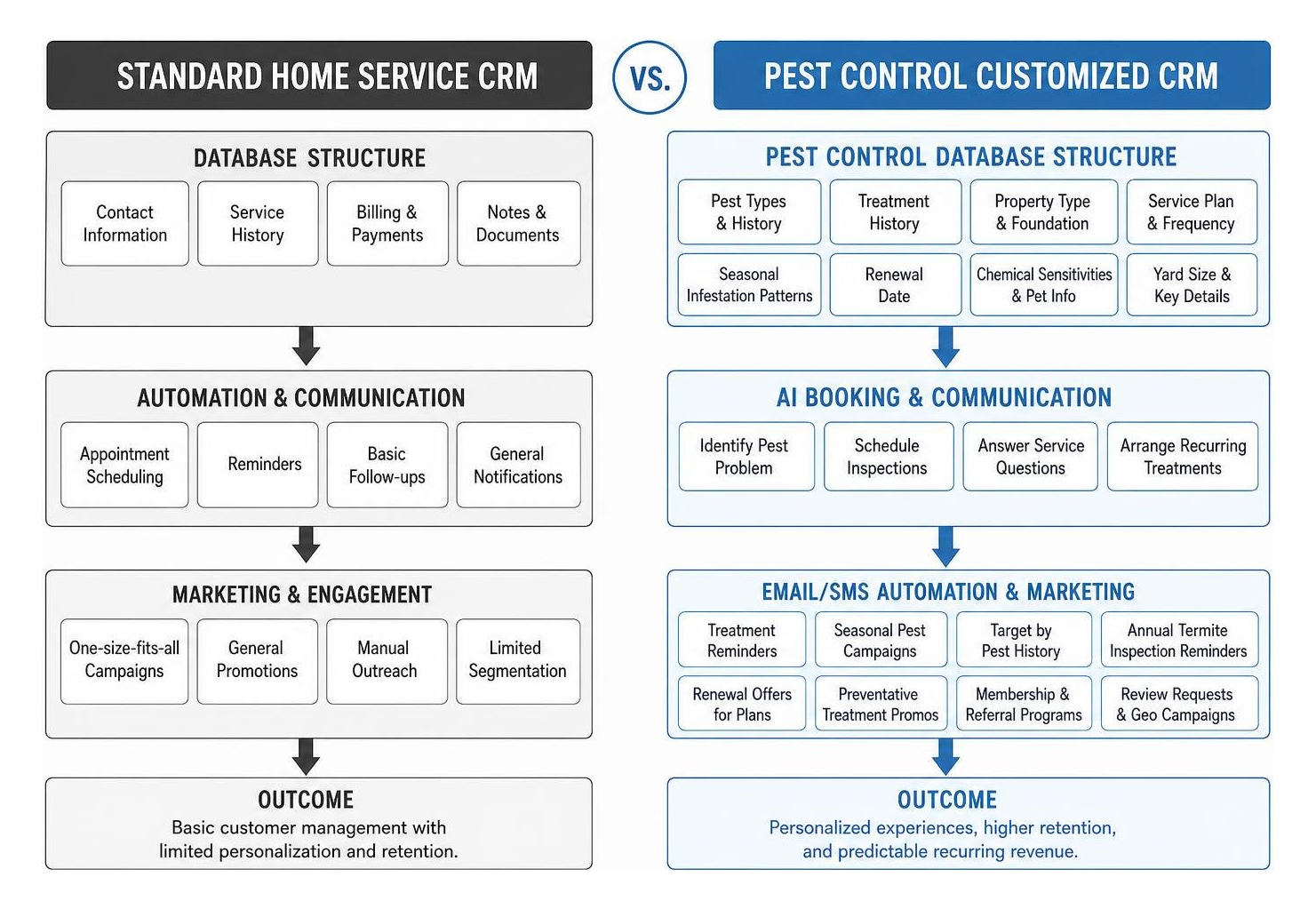
When your CRM accurately captures the nuances of pest biology, foundation construction, and treatment warranties, routine field data transforms into actionable marketing triggers.
| CRM Feature Area | Generic Home Service Setup | Pest-Control-Specific CRM Setup |
|---|---|---|
| Customer Profiling | Basic contact info & billing address | Pest species history, foundation type, yard square footage, chemical allergies, pet status |
| Treatment Logging | Job completed checkbox & generic notes | Target pest, EPA chemical registration #s, dilution ratios, application method, weather at application |
| Agreement Tracking | One-time invoice & standard receipt | Recurring service tier (Monthly, Bi-Monthly, Quarterly), re-service guarantee status, annual termite renewal date |
| Route Management | Chronological appointment listing | Zip-code clustering, neighborhood route density optimization, dynamic re-service buffer slots |
| Automated Triggers | Generic seasonal newsletter | Weather/temperature-driven pest emergence alerts, warranty expiration drips, dormant account reactivation |
Essential Customer File Customizations
To maximize the value of your database, configure each customer record with granular, industry-specific custom fields:
- Structural Profile: Foundation type (monolithic slab, crawl space, basement), structure square footage, attic accessibility, presence of standing water, dense vegetation, or exterior wood piles.
- Pest & Application History: Primary and secondary target pests, historical infestation locations (e.g., master bath plumbing penetrations, kitchen sub-flooring), specific formulations applied, EPA registration numbers, and target dilution rates.
- Service Agreement Terms: Active plan level (e.g., Quarterly Perimeter Defense, Bi-Monthly Pest & Mosquito), billing frequency, active payment method on file, and annual termite re-inspection dates.
Automated Route Grouping and Schedule Density
Technicians lose two to three hours daily when routes are planned haphazardly across wide geographic areas. Integrating automated scheduling within your CRM clusters recurring treatments by neighborhood, zip code, and subdivision.
When a customer in a specific subdivision books a routine quarterly service, the CRM dynamically prioritizes open time slots for nearby neighbors. Increasing route density minimizes windshield time, reduces fuel overhead, and allows each technician to complete more stops per day. Furthermore, mobile-optimized CRM field portals allow technicians to log photos of entry points, enter chemical usage data, and update customer files directly from their mobile devices before leaving the driveway.
Lifecycle Tagging and Customer Segmentation
Segmentation allows you to deliver relevant marketing that drives high conversion rates. Our CRM software marketing automation systems group customer databases into dynamic segments:
- Property Classifications: Single-family homes, commercial food-handling establishments, multi-family apartment complexes, and homeowner associations.
- Target Pest Vulnerability: Accounts with past termite treatments, recurring seasonal scorpion activity, or heavy summer mosquito pressure.
- Account Health & Retention Risk: Customers with failed recurring credit card payments, accounts with multiple consecutive re-service requests, or dormant accounts that completed a one-time treatment but never activated a recurring maintenance plan.
How Can Pest Control Companies Automate Email and SMS Workflows to Boost Recurring Plans?
Acquiring a new home service client costs five to seven times more than retaining an existing one. Despite this, many pest control businesses focus solely on top-of-funnel ad spend while neglecting their customer database. Automated, multi-channel communication bridges this gap, keeping retention high and no-show rates low without manual staff effort.
Implementing comprehensive email marketing automation paired with SMS workflows ensures your business delivers the right message at the exact moment biological and seasonal pest pressures rise.
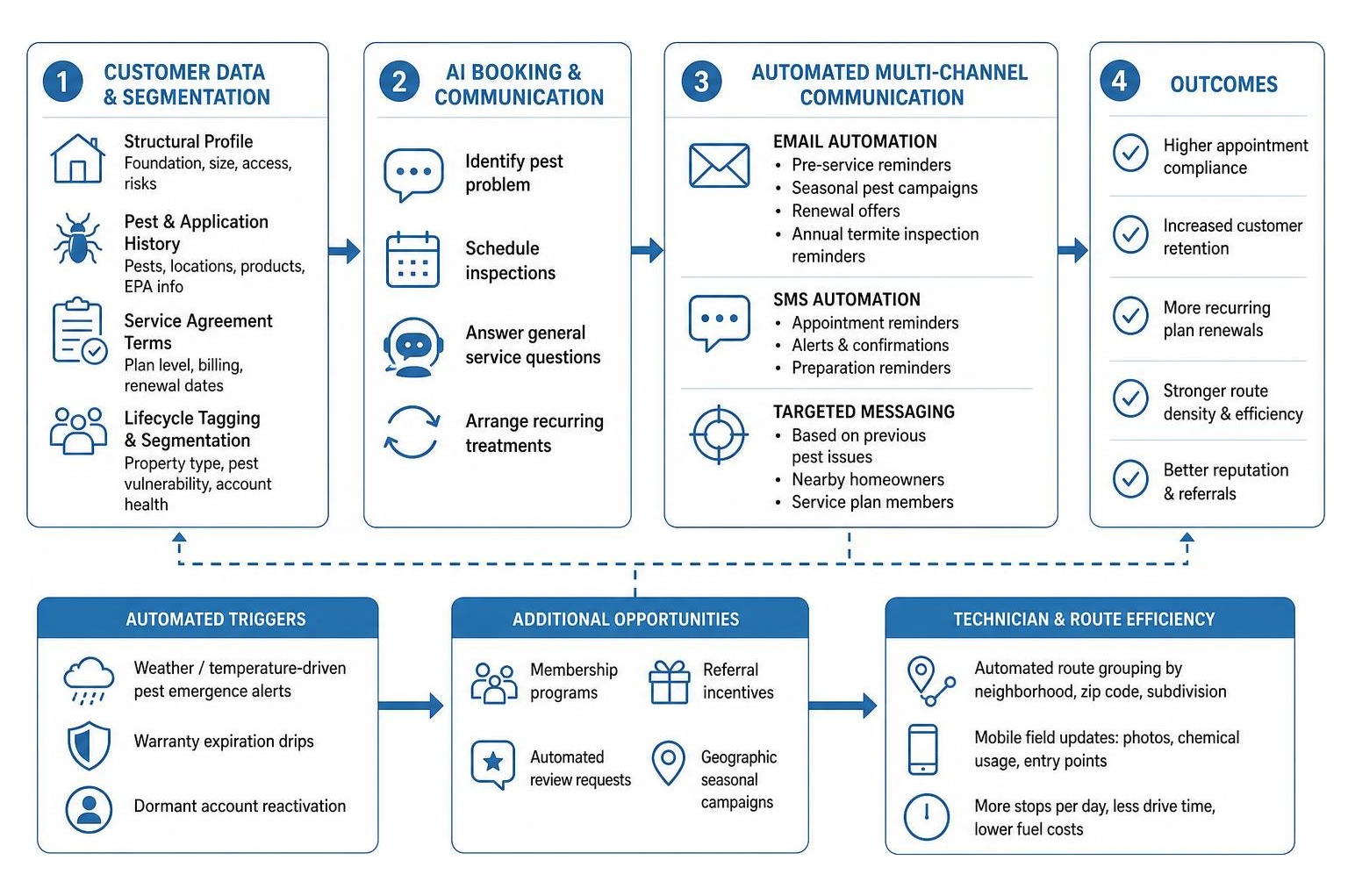
Pre-Service Reminders and Appointment Compliance
Missed visits and locked side gates waste valuable route time. Deploying automated sequences ensures properties are properly prepared prior to technician arrival:
- 72 Hours Prior (Email + SMS): Notification of the upcoming service window with a confirmation link and a digital preparation checklist (unlocking access gates, bringing pets indoors, clearing items from foundation perimeters).
- 24 Hours Prior (SMS): Final appointment reminder prompting the homeowner to confirm or request a schedule adjustment if gates cannot be unlocked.
- 30 Minutes Prior (SMS): Real-time arrival update powered by automated dispatch triggers. Following a clear guide on how to set up a drip SMS campaign helps keep show rates and route efficiency consistently high.
Seasonal Infestation Prevention Campaigns
Insect activity is dictated by climate, soil temperatures, and local biology. When you align automated campaigns with regional pest cycles, marketing messages feel timely and consultative rather than intrusive:
- Early Spring (Subterranean Termites & Ants): Educational alerts warning homeowners about termite swarmers and emerging ant colonies as soil temperatures rise, offering free annual structural evaluations.
- Late Spring / Summer (Mosquitoes & Ticks): Campaigns highlighting barrier sprays, standing water larvicide treatments, and outdoor party preparation packages.
- Late Summer / Early Fall (Scorpions & Stinging Insects): Targeted alerts for high-risk regions focusing on exterior micro-encapsulated barrier applications and nest removal.
- Late Fall / Winter (Rodent Exclusion & Crawl Spaces): Messaging focused on rodent entry-point sealing, attic insulation checks, and moisture inspections as temperatures drop.
Service Agreement Renewals and Preventative Neighborhood Blasts
Contract expirations represent an avoidable point of customer churn. Structured renewal workflows should launch 60, 30, and 14 days before an annual termite bond or service warranty lapses:
- 60-Day Notice (Email): Summarizes annual treatments completed, highlights ongoing property protection value, and previews upcoming annual inspection dates.
- 30-Day Notice (SMS + Email): Outlines renewal incentives, updates payment details automatically, and confirms uninterrupted warranty coverage.
- 14-Day Final Warning (Multi-Channel): Urgent notification warning of potential warranty lapse and re-inspection fees if coverage is discontinued.
Additionally, when a technician treats an active infestation (such as carpenter ants or rodents) in a specific neighborhood, launch localized neighborhood awareness blasts to nearby addresses in your database. Highlighting active localized pest pressure and offering a limited-time perimeter defense discount helps build schedule density quickly.
Which Multi-Channel Acquisition Strategies Drive the Highest Recurring Pest Control Contracts?
While backend CRM automations and AI communication systems protect customer lifetime value, your business still requires a steady stream of qualified inbound leads. Fragmented marketing tactics yield unpredictable results. Sustainable revenue growth requires an integrated acquisition engine that captures both high-intent emergency searches and homeowners seeking ongoing preventive maintenance.
By uniting search visibility, targeted paid advertising, and community outreach under a comprehensive suite of digital marketing services, exterminators can turn unpredictable lead flow into a scalable growth system.
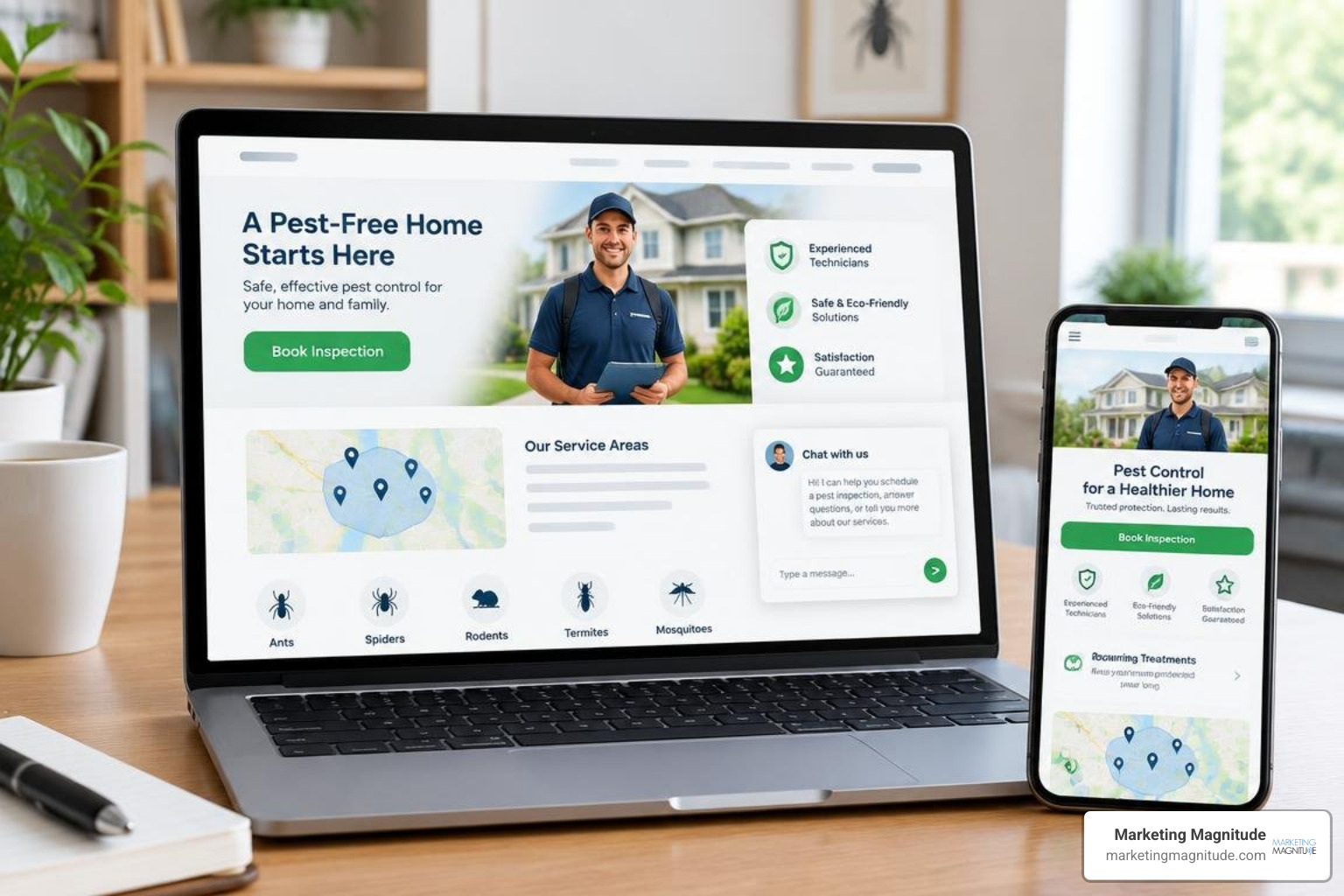
Dominating High-Intent Search with SEO and Local Listings
Homeowners dealing with active pest problems turn to search engines immediately. Capturing this demand requires dominating both organic search results and Google Maps listings through dedicated local SEO and Google Maps optimization.
To capture localized search intent:
- Build Dedicated Pest Service Pages: Create separate, in-depth service pages for distinct pests (e.g., subterranean termite treatments, bed bug heat remediation, rodent exclusion, scorpion control) rather than grouping all services onto a single generic page.
- Establish Localized Geographic Pages: Develop dedicated service-area pages for individual towns, suburbs, and neighborhoods across your service territory.
- Optimize Your Google Business Profile: Claim, verify, and complete every profile attribute. Fully completed profiles earn up to seven times more clicks. Maintain up-to-date service catalogs, upload clear photos of branded trucks and technicians in uniform, and post regular updates highlighting seasonal pest risks.
Precision PPC and Google Local Services Ads (LSA)
For immediate, high-intent lead generation, execute structured paid advertising campaigns managed through expert paid advertising PPC management.
Paid strategies should be segmented by intent:
- Google Local Services Ads (LSA): Position your business at the very top of search engine results pages with the Google Guaranteed badge. These pay-per-lead ads build immediate trust for urgent needs like emergency rodent removal or stinging insect eradication.
- Intent-Driven Google Search Ads: Target high-intent keyword themes (e.g., “termite exterminator near me,” “quarterly pest control plan”) with negative keyword scrub lists that filter out DIY and low-intent searches.
- Conversion-Optimized Landing Pages: Direct paid traffic to dedicated landing pages featuring click-to-call buttons, clear service guarantees, customer reviews, and conversational AI booking forms that capture inquiries immediately.
Geo-Targeted Social Media and Community Engagement
Social channels are exceptionally effective for building awareness and selling preventative maintenance plans before acute infestations occur. Managing campaigns through proactive social media management helps shift homeowner mindsets from reactive extermination to proactive property protection.
Run hyper-local Facebook and Instagram video ads showing technicians conducting property inspections, identifying hidden entry points, and demonstrating perimeter barrier applications. Sponsoring discussions on local community platforms and Nextdoor during seasonal pest emergences keeps your company top-of-mind whenever neighbors ask for local exterminator recommendations.
How Do Membership Programs, Referral Engines, and Automated Reviews Protect Recurring Revenue?
The core value of a modern pest control enterprise rests in its recurring contract base. Subscription revenue stabilizes cash flow, protects profit margins during seasonal lulls, and significantly increases enterprise valuation.
Retaining these accounts over years rather than months requires structured loyalty programs, automated reputation systems, and systematic customer referral loops.
Tiered Pest Control Membership Plans
Structuring tiered recurring membership plans makes it simple for property owners to select an ongoing protection level that matches their property risks and budget:
- Tier 1: Essential Perimeter Defense (Quarterly)
- Coverage: General crawling insects (ants, spiders, crickets, earwigs, roaches).
- Features: Exterior foundation barrier treatments, web de-webbing, and guaranteed re-services between visits.
- Tier 2: Complete Home Shield (Bi-Monthly)
- Coverage: Tier 1 coverage plus seasonal mosquito suppression, wasp nest elimination, and exterior rodent bait station maintenance.
- Features: Priority service scheduling, free interior re-treatments, and garage/attic barrier applications.
- Tier 3: Total Property Protection Plan (Monthly / Bi-Monthly + Annual)
- Coverage: Complete multi-pest defense, seasonal mosquito control, active rodent exclusion monitoring, and full subterranean termite warranty coverage.
- Features: Dedicated senior technician, zero-deductible termite repair warranty, and complimentary annual attic/crawl space inspections.
Automate monthly recurring credit card billing and offer modest discounts for upfront annual pre-payments to maximize retention rates.
Automated Review Generation and FTC-Compliant Reputation Management
Online reviews are the primary trust currency for service businesses. Studies show that 96% of consumers consult online reviews before selecting a local contractor, and businesses that actively respond to customer feedback generate significantly more revenue.
Automating review generation protects your online reputation:
- Instant SMS Request Triggers: Configure your CRM to send an automated review request via text message 1 to 2 hours after a technician marks a service call complete.
- Direct Listing Integration: Guide customers directly to your Google Business Profile review link with a single tap.
- FTC-Compliant Review Workflows: Ensure all review collection practices comply with FTC guidelines by inviting authentic feedback from every customer without review-gating or offering illicit incentives.
- AI-Assisted Review Responses: Implement automated drafting tools that help office managers review, personalize, and publish responses to positive and critical customer reviews within 24 hours.
Scalable Referral and HOA Neighborhood Incentives
Word-of-mouth is powerful in residential neighborhoods. When pests appear in one home, adjacent properties face identical risks.
Establish an automated referral engine within your CRM:
- Automated Post-Service Referral Prompts: Send customers a digital referral card via SMS after a successful service visit, offering a billing credit on their next routine treatment for every neighbor who signs up for an annual service plan.
- HOA and Cluster Discounts: Offer grouped community discounts for subdivisions where multiple adjacent homes enroll in recurring maintenance, creating high route density for your technicians.
- Transparent Referral Tracking: Track referral sources automatically inside your customer records to ensure credits apply accurately and customer acquisition costs remain lean.
Frequently Asked Questions About Pest Control Automation and AI
How quickly can a pest control company see ROI from implementing AI booking and CRM automation?
Most pest control operators realize measurable ROI within 30 to 60 days of deploying AI reception and CRM marketing automations. Because roughly one out of three inbound home service calls goes unanswered, capturing after-hours emergency calls and weekend inquiries often books enough incremental treatments to offset implementation costs in the first month. Furthermore, automating pre-service reminders and annual agreement renewals immediately reduces appointment no-shows and lowers customer churn.
Will AI chatbots and automated text messages replace human customer service in pest control?
No. AI and automation are built to augment your team rather than eliminate human customer service. Automation manages repetitive administrative tasks—such as collecting property square footage, categorizing pest types, booking routine inspections, dispatching appointment reminders, and processing standard invoice payments. This frees your office staff and estimators to handle complex commercial consultations, resolve nuanced customer concerns, and focus on delivering exceptional field service.
What is the most effective strategy to convert one-time emergency callers into recurring maintenance contracts?
The most effective strategy combines technician documentation with an automated three-part follow-up sequence:
- Immediate On-Site Documentation: The technician treats the emergency infestation, photographs underlying conducive conditions (such as moisture sources, structural gaps, or dense brush), and explains the likelihood of future pest cycles.
- Automated 48-Hour Follow-Up: The customer receives a summary email detailing what products were applied and explaining why one-time treatments leave homes vulnerable once chemical barriers degrade.
- 7-Day Conversion Incentive: The system delivers an automated SMS/email offering to apply 100% of the initial emergency invoice cost toward the first year of a recurring quarterly protection plan.
Conclusion
Scaling a modern pest control company requires moving beyond disconnected spreadsheets, unreturned voicemails, and seasonal revenue swings. The exterminators building lasting market authority and healthy profit margins are those running on connected growth systems.
By uniting 24/7 AI-powered lead capture, custom-configured CRM databases, behavior-triggered SMS and email automations, and targeted multi-channel acquisition, your business can turn seasonal spikes into predictable, year-round recurring revenue.
At Marketing Magnitude, we specialize in building these end-to-end growth infrastructures for service-based businesses. We do not just run ads or set up isolated tools—we integrate your marketing, lead qualification, customer communication, and lifecycle automation into a single, scalable operational platform.
Ready to streamline your operations, protect your customer relationships, and scale your recurring revenue? Connect with our team today to build a sustainable growth engine tailored to your business.
Get Started Now
Fill out this form to start your journey to next-level marketing solutions for your business.