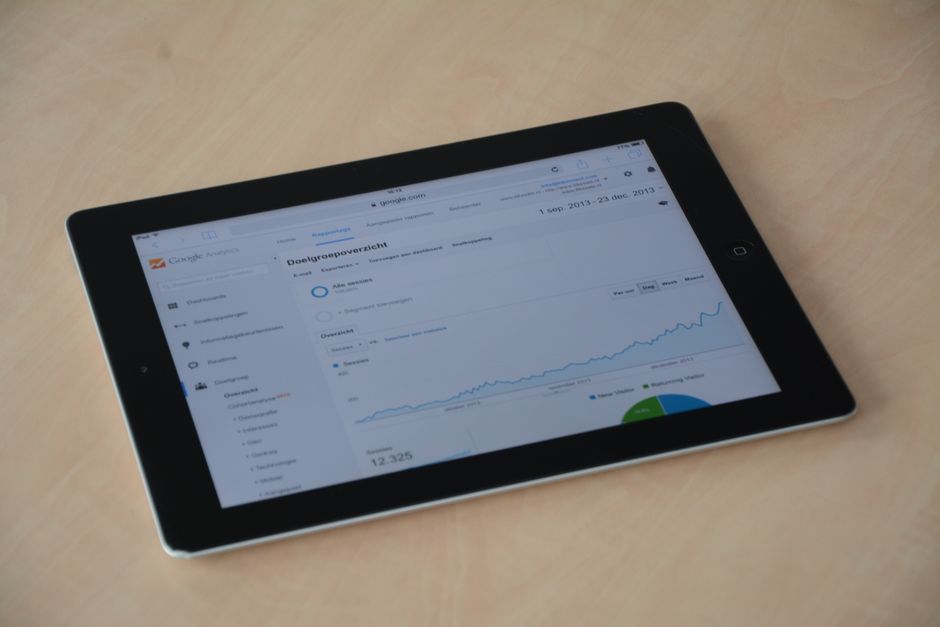
Turning Website Data into Business Growth
Website marketing analytics is the process of collecting, measuring, and analyzing data from your website and marketing channels to improve performance and drive business results. It helps businesses understand customer behavior, optimize marketing spend, and make data-driven decisions.
What is Website Marketing Analytics?
- Definition: The practice of gathering and analyzing data from websites and marketing channels to guide strategy
- Purpose: To understand visitor behavior, measure campaign effectiveness, and improve ROI
- Key Components: Traffic analysis, user behavior tracking, conversion tracking, campaign attribution
- Common Tools: Google Analytics, Adobe Analytics, HubSpot, Semrush, Piwik PRO
In today’s digital landscape, the difference between thriving businesses and struggling ones often comes down to how effectively they use their data. Highly data-driven companies are three times more likely to see significant improvements in decision-making compared to their less analytical counterparts.
The average enterprise now uses an astonishing 120 marketing technology tools, creating both opportunities and challenges. This proliferation of tools means more data than ever before, but it also increases the risk of data fragmentation and siloed insights.
“Marketing analytics involves collecting, measuring, and analyzing website data to understand traffic origin, user interactions, engagement levels, and exit behavior.”
When implemented correctly, website analytics can transform your marketing efforts. SimpleSite improved ROI on ad spend by up to 20% after implementing web analytics. Another company optimized their full user journey with analytics insights, driving conversions up by an impressive 28%.
The key to success isn’t just collecting data—it’s turning that data into actionable insights that drive real business results.
My name is Kelly Rossi, and as a digital marketing expert with over 20 years of experience implementing website marketing analytics strategies for businesses across multiple industries, I’ve seen how proper analytics implementation can transform marketing performance and ROI. At Marketing Magnitude, we help businesses turn complex website data into clear strategies that drive measurable growth.
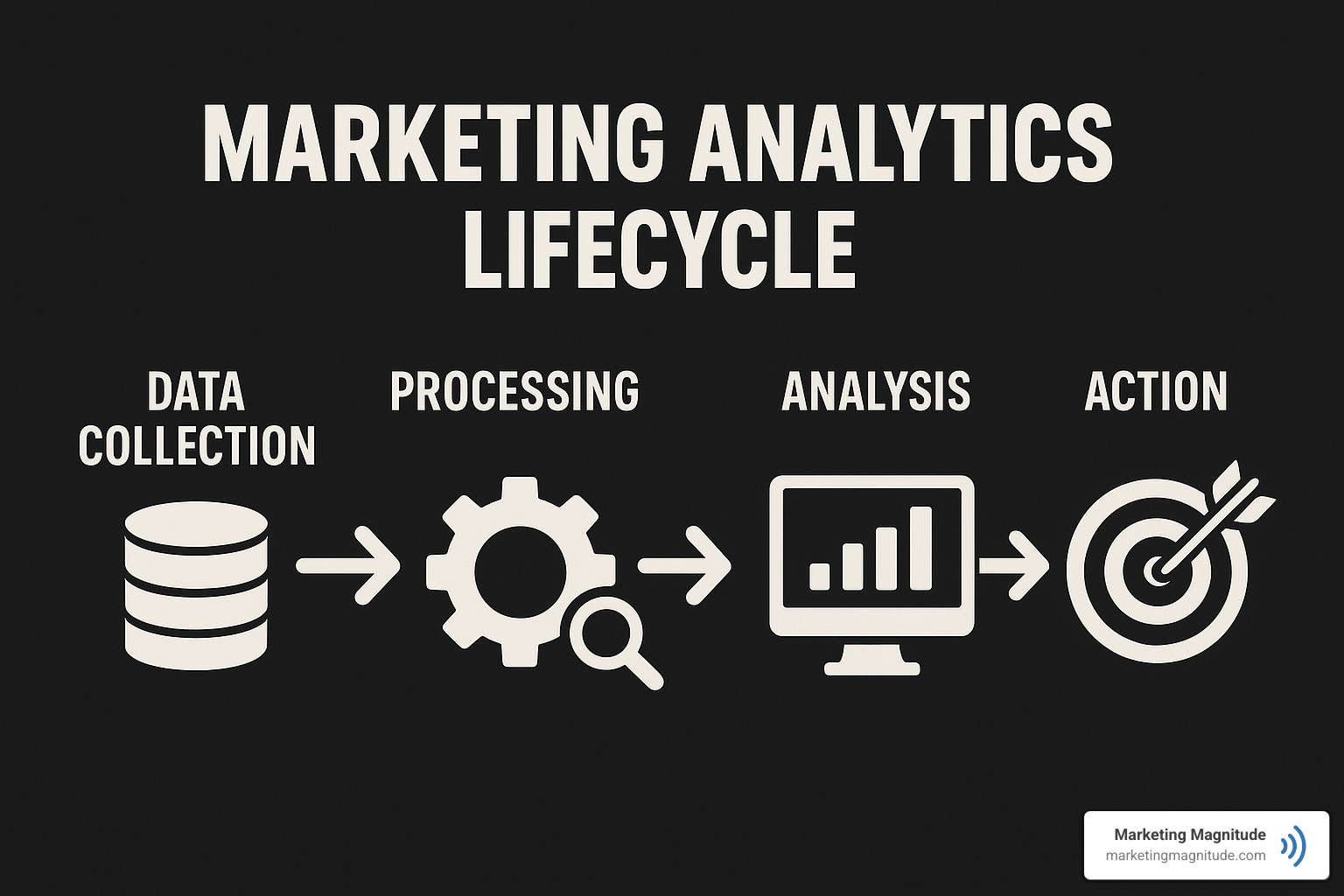
Website marketing analytics word guide:
Website Marketing Analytics 101
Website marketing analytics is so much more than counting page views or tracking bounce rates. It’s like having a powerful telescope that lets you see how all your digital marketing pieces fit together across every channel and touchpoint.
Think of it as your marketing command center. Instead of looking at your social media, email campaigns, and website traffic as separate islands, website marketing analytics builds bridges between them, showing you the complete picture of your customer’s journey.
I love what the research from PwC’s Big Decision Survey revealed about this: companies that accept data-driven decision making consistently outshine their competitors. In fact, highly data-driven organizations are three times more likely to see major improvements in how they make decisions. That’s a competitive edge you can’t ignore!
What makes website marketing analytics truly valuable is what it reveals about your business. It connects your marketing efforts directly to your bottom line, shows which channels bring your best visitors, highlights where customers get stuck (and where they thrive), helps predict future campaign success, and ensures you’re investing your marketing dollars in the right places.
In today’s complex digital world, having this unified view isn’t just nice to have—it’s essential if you want to stay ahead.
The Business Case
The numbers tell an impressive story about what happens when businesses fully accept website marketing analytics:
Lider created a “single source of truth” by connecting data from their website and app. The result? They slashed their cost per acquisition by 85% and boosted conversions an incredible 18 times over.
I’ve seen this pattern repeatedly with clients. SimpleSite saw their return on ad spend jump by 20% after implementing proper analytics. Another company, Nettium, used analytics insights to optimize their customer journey and enjoyed a 28% lift in conversions.
These aren’t rare exceptions—they represent what’s possible when you move beyond basic metrics to truly understand your customer’s journey. By tracking every meaningful interaction from first touch to final purchase (and even beyond), you gain crystal clarity on which marketing investments actually drive revenue.
This clarity transforms how you allocate your budget, target your campaigns, and ultimately, grow your business. The best part? With the right approach, these insights become accessible to businesses of any size—not just enterprise giants with massive budgets.
Data Types & Key Metrics That Matter
In website marketing analytics, not all data is created equal. Understanding which numbers actually drive business growth can make the difference between marketing that merely looks good and marketing that delivers real results.
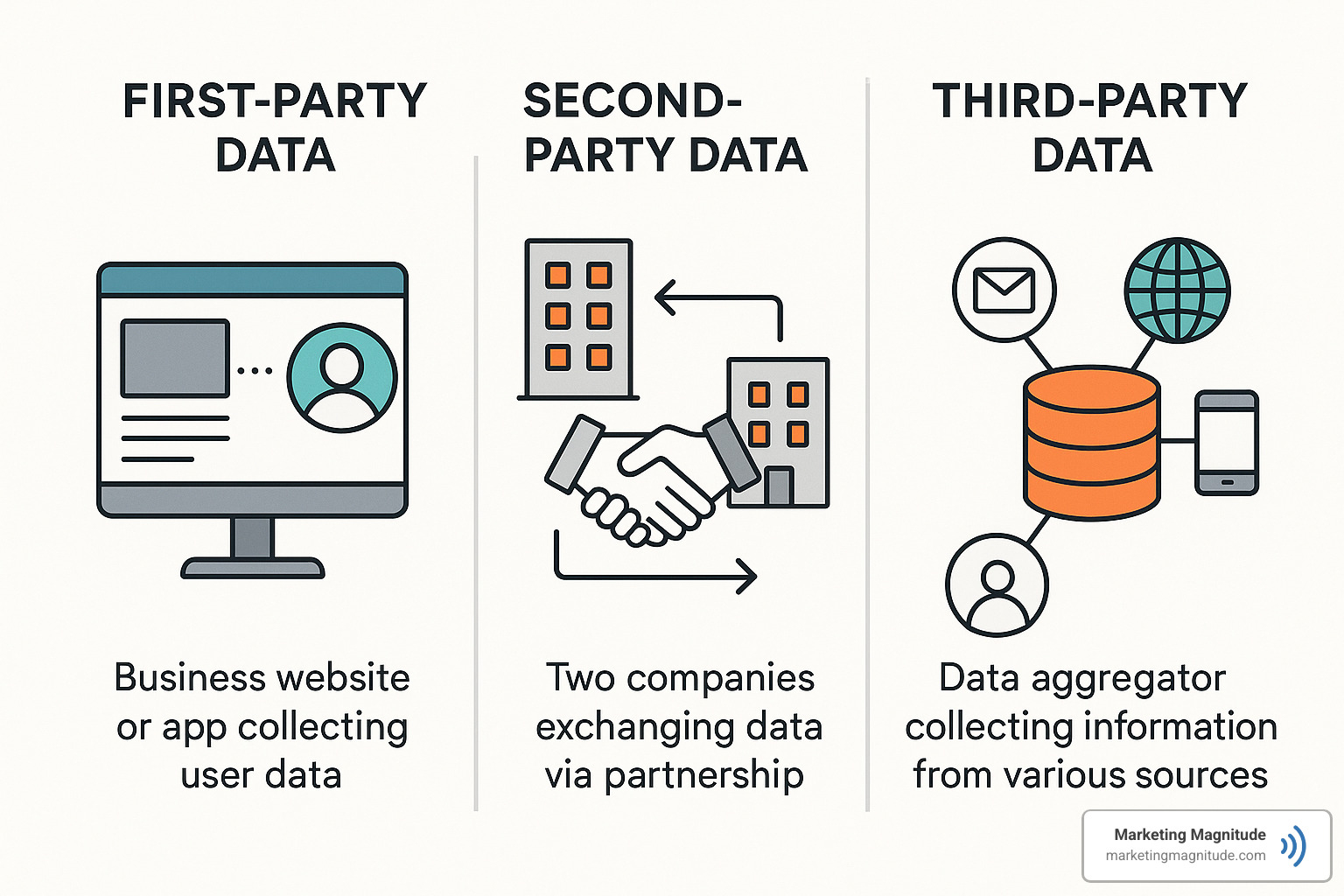
Let’s look at the three main types of data you’ll encounter in your analytics journey:
First-Party Data is the gold standard. This is information collected directly from your audience through your own digital properties—your website, app, or CRM system. It’s incredibly valuable because it comes straight from your actual users, showing you their genuine behaviors and preferences. This is the data you own and can trust most.
Second-Party Data is essentially someone else’s first-party data that you’ve gained access to through a direct partnership. Think of an airline sharing customer information with a hotel chain for joint marketing campaigns. It’s still high-quality data, just one step removed.
Third-Party Data comes from entities with no direct relationship to your users. This data is typically purchased from aggregators who compile information from various sources. While it can help extend your reach, it’s becoming less reliable as privacy regulations tighten and browsers phase out third-party cookies.
The modern marketing landscape is complex—according to Netskope’s Cloud Report, the average enterprise now juggles a staggering 120 marketing technology tools. This creates serious challenges in maintaining consistent data across systems. At Marketing Magnitude, we help clients in Las Vegas, Austin, and beyond streamline their tech stack to ensure seamless data flow between systems.
Actionable vs Vanity Metrics
One of the most important skills in website marketing analytics is distinguishing between metrics that drive decisions and those that just look pretty in reports.
Actionable metrics directly connect to business outcomes and help you make strategic decisions. They provide context, can be segmented for deeper insights, and clearly link to revenue or business goals. When you look at conversion rate by traffic source, customer acquisition cost by channel, revenue per user, customer lifetime value (CLV), or return on ad spend (ROAS), you’re examining actionable metrics that can guide your next move.
On the flip side, vanity metrics might make your reports look impressive but don’t necessarily correlate with business success. Total page views without conversion context, social media follower counts without engagement data, email list size without open or click rates—these numbers might feel good to report, but they don’t help you make better decisions.
The key difference is simple: actionable metrics help you improve your business, while vanity metrics just make you feel good about your marketing. At Marketing Magnitude, we focus our clients on SMART goals—Specific, Measurable, Achievable, Relevant, and Time-bound—that connect directly to metrics that drive real business outcomes.
Core Website Marketing Analytics KPIs
When building your website marketing analytics foundation, certain key performance indicators (KPIs) provide the backbone for meaningful analysis:
For traffic and acquisition, we track sessions by source/medium to understand where visitors come from, monitor new versus returning visitors to gauge audience loyalty, and examine channel-specific attribution to see which touchpoints influence conversions.
Engagement metrics tell us how people interact with your site. Average session duration, pages per session, and bounce rate by landing page reveal whether visitors find your content valuable. Scroll depth and event tracking show specific interactions like button clicks or video views.
Conversion metrics are where analytics truly proves its value. Conversion rate by channel shows which traffic sources drive action, while tracking micro-conversions (like email signups) and macro-conversions (like purchases) reveals your full conversion funnel. Cart abandonment rate and assisted conversions provide deeper insights into the buyer’s journey.
Revenue metrics connect marketing directly to your bottom line. Revenue by channel, average order value, customer lifetime value, return on ad spend, and cost per acquisition all help you understand which marketing efforts generate actual profit.
Finally, user experience metrics like page load time, mobile versus desktop performance, exit rates at key funnel stages, form completion rates, and site search usage highlight technical or usability issues that might be costing you conversions.
The real magic happens when you combine these metrics to tell a complete story. A high-traffic channel with low conversion rates might indicate targeting problems, while a low-traffic channel with high conversion rates might deserve more investment. These insights don’t exist in isolation—they work together to paint a picture of your marketing effectiveness.
Tool Categories & Top Features
The website marketing analytics landscape offers a variety of powerful tools, each designed to solve specific challenges in your marketing strategy. Think of these tools as different instruments in your analytics orchestra—each plays a crucial role in creating a complete performance.
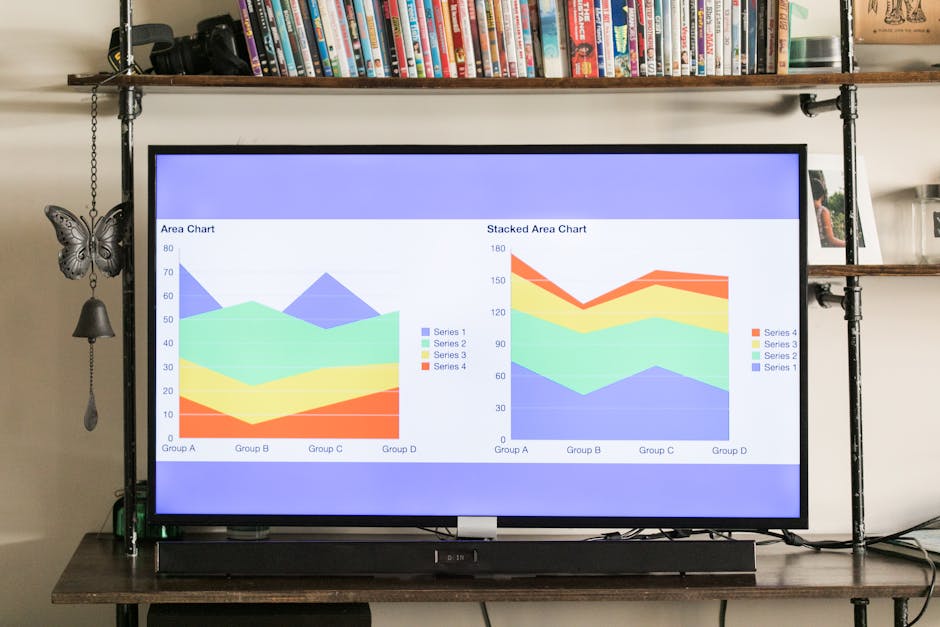
Behavioral Suites for Website Marketing Analytics
Ever wish you could look over your visitors’ shoulders as they browse your website? That’s exactly what behavioral analytics tools let you do. These platforms reveal the human stories behind your traffic numbers.
When we implement behavioral tools for our clients, we often uncover surprising insights about how real people use their websites. I remember one client who finded their carefully designed homepage menu was being completely ignored because users were immediately scrolling down to their case studies!
The best behavioral tools offer event tracking that captures specific interactions like button clicks and form submissions. They provide user session recordings that let you watch actual visitor journeys. Many include heatmaps that visually show where users click and scroll, while funnel analysis helps identify exactly where potential customers drop off before converting. For deeper insights, cohort analysis lets you compare how different user groups behave over time.
Google Analytics 4 has become the new standard with its improved event tracking, while other quality platforms excel at product analytics. Some solutions automatically capture user interactions without requiring manual setup, and privacy-focused alternatives exist for the increasingly privacy-conscious market.
Dashboard Platforms for Website Marketing Analytics
If you’ve ever spent hours copying data between spreadsheets for monthly reports, you’ll appreciate the magic of dashboard platforms. These tools bring all your marketing data together in one beautiful, shareable place.
At Marketing Magnitude, we’ve saved our Las Vegas and Austin clients countless hours by replacing manual reporting with automated dashboards that update in real-time. One client told me they used to spend two full days each month creating reports—now they spend that time actually implementing insights instead!
The best dashboard platforms offer multi-source data integration that connects to all your marketing tools, from Google Analytics to Facebook Ads. Look for automated report scheduling that delivers fresh reports to stakeholders without manual work. For agencies, white-labeling capabilities let you brand reports with your company identity. Custom visualizations transform complex data into clear stories, while real-time data refresh ensures you’re always looking at current information.
Popular options include user-friendly dashboard tools, agency-focused reporting platforms, free but powerful visualization software, and enterprise-grade solutions for larger organizations.
SEO & Content Intelligence Tools
In today’s search-driven world, understanding how your content performs in search engines is crucial. SEO and content intelligence tools provide the insights you need to climb those rankings and create content that converts.
These platforms help you track keyword rankings to monitor your position for target search terms. They offer content performance analysis to see which pages engage and convert visitors. Backlink analysis helps you understand your site’s authority and link profile. Competitive intelligence features show how you stack up against others in your space, while technical SEO auditing identifies website issues that might be holding you back.
There are several quality SEO platforms that offer comprehensive suites with powerful competitive analysis features. Some provide deep backlink insights and content performance tracking. Others offer user-friendly tools with domain authority metrics, while Google Search Console gives you free insights directly from Google itself.
These tools form the backbone of our Search Engine Optimization services, allowing us to show clients exactly how our work improves their visibility and traffic.
Privacy-Focused Analytics & Consent
With privacy regulations like GDPR and CCPA changing the digital landscape, how we collect data is evolving rapidly. Privacy-focused analytics tools help you gather insights while respecting user privacy and staying compliant.
I’ve seen many clients worry about these changes, but the reality is that privacy-first analytics often provide cleaner, more accurate data by focusing on what really matters. One client actually saw conversion tracking improve after switching to a privacy-focused solution that wasn’t blocked by ad blockers!
The best privacy tools offer cookieless tracking options that don’t rely on third-party cookies. They include consent management features to easily implement and manage user permissions. Data anonymization protects user identity while still providing valuable insights. Some offer self-hosting options for complete data control, and most provide compliance documentation to demonstrate regulatory adherence.
There are several excellent privacy-focused analytics platforms available, including lightweight, cookie-free solutions; self-hostable options; simple tools focused on core metrics; and enterprise-grade privacy compliance systems.
These tools help strike the perfect balance between gathering marketing insights and respecting both user privacy and regulatory requirements—a balance that’s becoming increasingly important in today’s digital ecosystem.
Implementation & Optimization Best Practices
Turning data into gold starts with proper implementation. Without a solid foundation, even the most expensive website marketing analytics tools will leave you with more questions than answers.

Setting Up Your Website Marketing Analytics Stack
Think of your analytics implementation like building a house—rushing the foundation leads to problems you’ll be fixing forever.
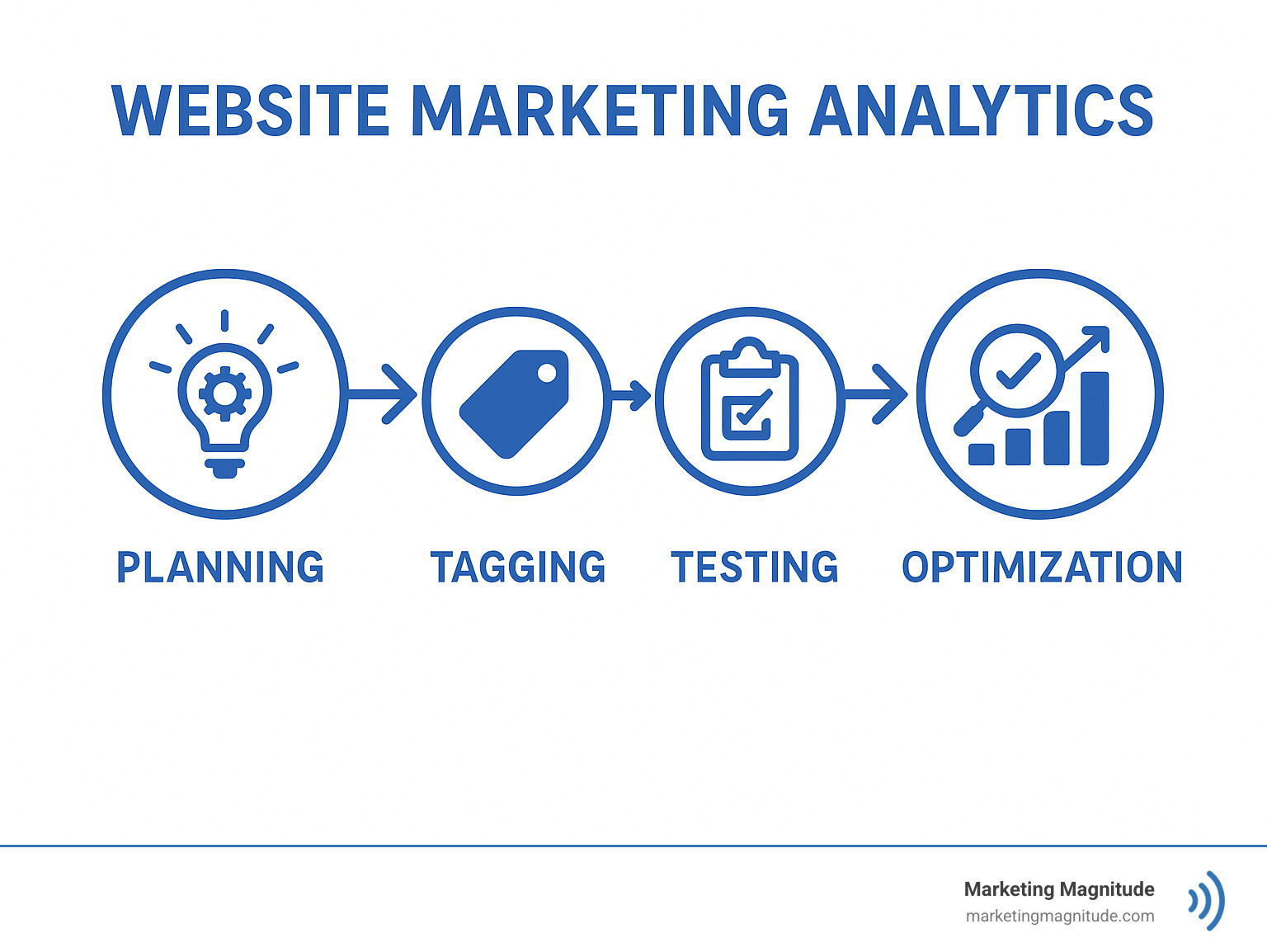
Before diving into code, take time to document a thoughtful tracking plan. At Marketing Magnitude, we sit down with our Las Vegas and Austin clients to map out exactly what actions matter most to their business. We identify key conversion points, user behaviors worth tracking, and the customer segments that drive revenue.
Proper tagging is non-negotiable for accurate data. We ensure the base tracking code appears on every page (sounds obvious, but you’d be surprised how often pages get missed!). For e-commerce clients, we implement improved tracking to capture product views, cart additions, and purchase details. Event tracking helps us understand what users actually do—whether they’re watching videos, downloading resources, or clicking important links.
Tag management systems have revolutionized analytics implementation. Tools like Google Tag Manager let us deploy and update tracking without bothering your developers for every little change. We can test new tracking configurations before they go live, ensuring everything works perfectly when it reaches your live site.
UTM parameters are the unsung heroes of campaign tracking. These little code snippets in your URLs tell your analytics tools exactly where traffic came from. We maintain strict naming conventions for our clients—consistency is key here. Using “email” in one campaign and “newsletter” in another creates reporting nightmares down the road.
Finally, we carefully configure goals and conversions to measure what truly matters. Beyond the obvious purchases and form submissions, we track micro-conversions like email signups or video completions that indicate growing interest. Whenever possible, we assign monetary values to these actions, helping you understand the true ROI of your marketing efforts.
Building Insightful Reports & Dashboards
Raw data rarely inspires action. That’s why changing numbers into compelling visual stories is perhaps the most important part of website marketing analytics.
Start with the questions that keep you up at night. Every dashboard we create answers specific business questions: Which channels drive the most valuable customers? Where do users abandon your checkout process? What content actually drives conversions, not just pageviews?
We’re ruthless about focusing on actionable metrics. Rather than overwhelming you with every possible data point, we highlight the numbers that should trigger decisions. Conversion rates by channel tell you where to invest more. Cost per acquisition helps you identify wasteful spending. Revenue per visitor reveals your most valuable traffic sources.
Visualization choice matters more than you think. We match chart types to the story each metric tells—line charts for trends over time, bar charts for comparing channels, funnel visualizations for understanding conversion paths. We use pie charts sparingly (they’re often misunderstood) and tables when precise numbers matter more than visual impact.
The real magic happens through thoughtful segmentation. Overall averages hide important insights. We slice your data by traffic source, device type, new vs. returning visitors, and geographic location to uncover opportunities that aggregate data would miss. Often, what looks like a moderately performing campaign contains both spectacular and terrible segments—insights you’d miss without proper segmentation.
Finally, we structure dashboards to tell a coherent story. We start with the high-level KPIs that show overall health, then progressively dive deeper into supporting metrics. We include context and benchmarks so you know whether numbers are good or bad. Most importantly, we end with clear, actionable takeaways—what to do next based on what the data reveals.
At Marketing Magnitude, our clients get both real-time dashboards for daily monitoring and in-depth monthly reports with strategic analysis. This combination ensures you can make both quick tactical adjustments and thoughtful strategic shifts based on solid data.
Privacy, Integration & Future Trends
The world of website marketing analytics is changing faster than ever. Privacy laws, new tech innovations, and evolving capabilities are reshaping how we collect and use data. Let’s explore what this means for your business and how to stay ahead of the curve.
Privacy and Data Governance
Remember when we didn’t think twice about tracking every user action? Those days are gone—and that’s actually a good thing for building customer trust.
Today’s website marketing analytics approach puts privacy front and center. First-party data (information users share directly with you) has become marketing gold as third-party cookies fade away. Building authentic relationships with your audience isn’t just nice—it’s necessary for effective analytics.
Good consent management goes beyond just checking compliance boxes. When you clearly explain what data you’re collecting and why, users are more likely to opt in. At Marketing Magnitude, we’ve seen that transparent data practices actually improve conversion rates because they build trust.
I always tell our Las Vegas and Austin clients: “Collect what you need, not what you can.” Data minimization reduces your compliance risks and keeps your analytics focused on insights that truly drive business decisions.
Server-side tracking is gaining momentum as a more privacy-friendly approach. By moving tracking from browsers to servers, you gain better control over data collection while reducing cookie dependence. It requires more technical setup but offers long-term benefits for privacy-conscious brands.
Data Integration and Unified Customer Views
The average business now faces a major challenge: data trapped in dozens of separate platforms. Solving this fragmentation is key to understanding the complete customer journey.
Customer Data Platforms (CDPs) have emerged as powerful solutions for creating unified user profiles. These platforms pull together information from your website, CRM, email platform, and other tools to build comprehensive customer views that enable truly personalized marketing.
API connections between your marketing tools ensure data flows automatically and consistently. This eliminates the manual exports and imports that lead to outdated reports and missed insights. When your analytics tools talk to each other, you get a much clearer picture of what’s working.
Identity resolution technology helps you recognize the same customer across different devices and platforms. This gives you a more accurate understanding of how people actually interact with your brand across multiple touchpoints and sessions.
Many of our larger clients are now centralizing their marketing data in dedicated warehouses. This approach enables more sophisticated analysis and custom reporting beyond what’s possible in standard analytics platforms.
Emerging Technologies and Future Directions
The future of website marketing analytics is being shaped by exciting technological advances that make data more actionable and accessible.
AI and machine learning are changing analytics from backward-looking reports into forward-looking prediction engines. Imagine being automatically alerted to unusual drops in conversion rates before they become major problems, or having AI suggest the best time to launch your next campaign based on historical patterns.
Zero-party data—information customers voluntarily share about their preferences—is becoming increasingly valuable. When a customer tells you directly what they want, it’s often more reliable than trying to infer it from their behavior. Smart brands are finding creative ways to collect this information through preference centers, quizzes, and interactive content.
As cookies fade away, new approaches to tracking are emerging. Google’s Privacy Sandbox initiatives and various cookieless identification methods aim to balance personalization with privacy. The companies that adapt earliest to these new approaches will maintain their analytics advantage while respecting user privacy.
The focus is shifting from data collection to data activation. Having mountains of information doesn’t help if you can’t use it. Modern website marketing analytics emphasizes turning insights into immediate action through real-time personalization and automated marketing workflows.
Voice and visual search analytics are the new frontier as search diversifies beyond text. Understanding how people find you through voice assistants or image searches requires new tracking approaches and metrics.
At Marketing Magnitude, we stay on top of these trends to ensure our clients in Las Vegas, Austin, and beyond can steer the changing analytics landscape with confidence. The future belongs to companies that can balance powerful insights with responsible data practices.
Frequently Asked Questions about Website Marketing Analytics
What is the difference between website marketing analytics and basic web stats?
When I talk to clients in Las Vegas and Austin, they often confuse basic web stats with true website marketing analytics. The difference is actually quite significant!
Basic web stats are like checking the speedometer in your car – they tell you how fast you’re going right now. You’ll see simple numbers like page views, visitor counts, and time on site. Useful? Sure. But they only scratch the surface.
Website marketing analytics, on the other hand, is like having a sophisticated navigation system that not only shows your speed but also analyzes traffic patterns, suggests faster routes, and predicts arrival times. It connects data across all your marketing channels to reveal the complete customer journey. It links your marketing activities directly to business outcomes like revenue and conversions. It segments your audience to show how different groups behave. And perhaps most importantly, it helps you understand not just what happened, but why it happened and what you should do next.
I often tell our clients at Marketing Magnitude that while basic stats might make you feel good (look at all those visitors!), comprehensive website marketing analytics actually helps you do good by making smarter marketing decisions.
Which metrics really drive revenue growth?
Not all metrics are created equal when it comes to driving revenue growth. After helping hundreds of businesses improve their marketing performance, I’ve found that certain metrics consistently matter more than others.
Customer Acquisition Cost (CAC) by channel tells you exactly how much you’re spending to acquire each customer through different marketing channels. This insight allows you to shift budget toward your most efficient channels.
The ratio between Customer Lifetime Value (CLV) and CAC is particularly powerful – it shows whether you’re making a good long-term investment in your customer acquisition efforts. If your CLV:CAC ratio is below 3:1, you might be spending too much on acquisition.
Conversion Rate broken down by traffic source, landing page, and device reveals exactly where your opportunities lie. I remember working with a client who finded their mobile conversion rate was half their desktop rate – fixing that mobile experience boosted their overall revenue by 23%.
Other revenue-driving metrics include Average Order Value trends (increasing this means more revenue without needing more customers), Return on Ad Spend by campaign (showing which ads actually generate revenue), micro-conversion rates for email signups and content downloads (indicating future revenue potential), and funnel completion rate (highlighting where customers get stuck).
At Marketing Magnitude, we build dashboards that put these revenue-driving metrics front and center, rather than distracting you with vanity metrics that look impressive but don’t impact your bottom line.
How do I keep user data private and compliant?
Balancing valuable analytics insights with privacy compliance is something I’m passionate about – it’s possible to respect user privacy while still gathering the data you need to grow your business.
Start with clear, honest consent mechanisms. Those cookie banners aren’t just legal boxes to check; they’re opportunities to build trust with your visitors. Make sure yours clearly explains what data you’re collecting and why it benefits the user. Offer granular choices rather than all-or-nothing options.
Consider using privacy-focused analytics tools like Piwik PRO, Matomo, or Plausible that are built with privacy in mind from the ground up. These tools often offer cookieless tracking options and keep data on servers you control.
Simple technical steps make a big difference too. Anonymizing IP addresses prevents you from collecting personally identifiable information. Implementing proper data access controls ensures only the right people in your organization can see sensitive data.
Geography matters in privacy compliance. What’s required in Europe under GDPR differs from California’s CCPA requirements. Our team at Marketing Magnitude helps clients implement geography-based rules that apply the right level of data collection based on where users are located.
Finally, don’t set it and forget it. Privacy regulations evolve constantly, so regular compliance audits of your analytics setup are essential. We help our clients stay ahead of these changes so they can focus on using their data rather than worrying about compliance issues.
With the right approach, you can gather the insights you need while respecting user privacy – creating a win-win for both your business and your customers.
Conclusion
The digital landscape has transformed how businesses connect with customers, and website marketing analytics stands at the heart of this evolution. It’s no longer just a nice-to-have tool—it’s the compass that guides smart marketing decisions and drives sustainable growth.
Throughout this journey, we’ve finded that successful website marketing analytics isn’t about drowning in data. It’s about finding clarity amid the complexity. The businesses that thrive aren’t necessarily those with the most data, but those who transform their data into meaningful action.
The path to analytics success involves several key elements that work together:
First, shifting focus from vanity metrics that inflate egos to actionable metrics that inform decisions. When you know which numbers actually move the needle on revenue, you can make confident choices about where to invest your marketing dollars.
Second, building a thoughtful, comprehensive tracking plan that captures the right data across all your digital touchpoints. Like a well-designed blueprint, this plan ensures you’re measuring what matters at every stage of the customer journey.
Third, creating integrated dashboards that break down data silos and reveal the complete picture of your marketing performance. These unified views help you see how channels work together rather than viewing each in isolation.
Fourth, embracing privacy-first analytics approaches that respect user consent while still gathering valuable insights. In today’s privacy-conscious world, building trust with your audience is as important as collecting their data.
Finally, staying curious and adaptable as analytics technology continues to evolve. From AI-powered predictions to cookieless tracking alternatives, the landscape is constantly changing—and the most successful businesses evolve alongside it.
At Marketing Magnitude, we’ve helped businesses in Las Vegas, Austin, and across the country implement these principles to transform how they understand and engage their audiences. Our approach emphasizes real-time insights delivered through transparent reporting, giving our clients the confidence to make bold marketing moves backed by solid data.
The truth is simple: in the coming years, the gap will widen between companies that leverage their data effectively and those that don’t. With the right tools, expertise, and mindset, your business can join the ranks of data-driven organizations that consistently outperform their competitors.
Ready to turn your website data into a growth engine for your business? Learn more about our services and find how we can help you implement effective website marketing analytics that drives real results.
Get Started Now
Fill out this form to start your journey to next-level marketing solutions for your business.